Coconut Grove
Older than the city, calmer than everything
⏱ Half day👤 All ages$
Get Tickets
Get The Grove Tickets
Skip the line · mobile tickets accepted at the door
The history earns the Grove its self-regard: the 1870s-80s founding mix — Bahamian seafarers (whose Charles Avenue settlement built the Grove and whose Goombay heritage festivals still mark it), the Peacock family's inn (South Florida's first hotel), and the sailing-intellectual set around Commodore Ralph Munroe — made it the bay's cultural capital before Miami existed, and the Barnacle preserves the founding texture: Munroe's ingenious 1891 house (raised, hurricane-wise, boat-built) in the last original hardwood hammock on the bay, with his sharpie yacht designs' story and the lawn's sunset-over-masts view that explains every decision the man made. The twentieth century layered bohemia (the 1960s-70s Grove was Miami's Haight — the head shops and folk clubs' ghosts under the current polish), the sailing culture's permanence, and the cycles of village redevelopment that landed on today's upscale-but-canopied compromise.
Doing it well: Saturday mornings for the farmers market and village peak, the Barnacle's tours (check days — the park's hammock path alone justifies entry; the house tours add Munroe's genius), Dinner Key's marina walk (City Hall's Pan Am bones, the masts, Regatta Park's lawns), the peacock hunt on the residential lanes (Charles Avenue's historic markers tell the Bahamian founding), and the dinner reservation that locals now fight for (the Commodore-adjacent cluster books out weekends — the Grove eats better than the beach now, quietly). Kids' logic: Peacock Park's playground-and-bay combination, the ice-cream tier, and the sailing school's taster sessions.
Practicals and fit: five minutes south of Vizcaya, fifteen from downtown (Metrorail's Coconut Grove station plus the trolley, or the garages off Grand); flat, shaded, stroller-ideal; free except the Barnacle's modest entry and the espresso economy. Fit: the trip's exhale day — foodie evenings, family park loops, history via the Barnacle-Vizcaya pairing, and the honest register note: nightlife-chasers will find the Grove asleep by midnight, exactly as it prefers.
What to Expect
Format
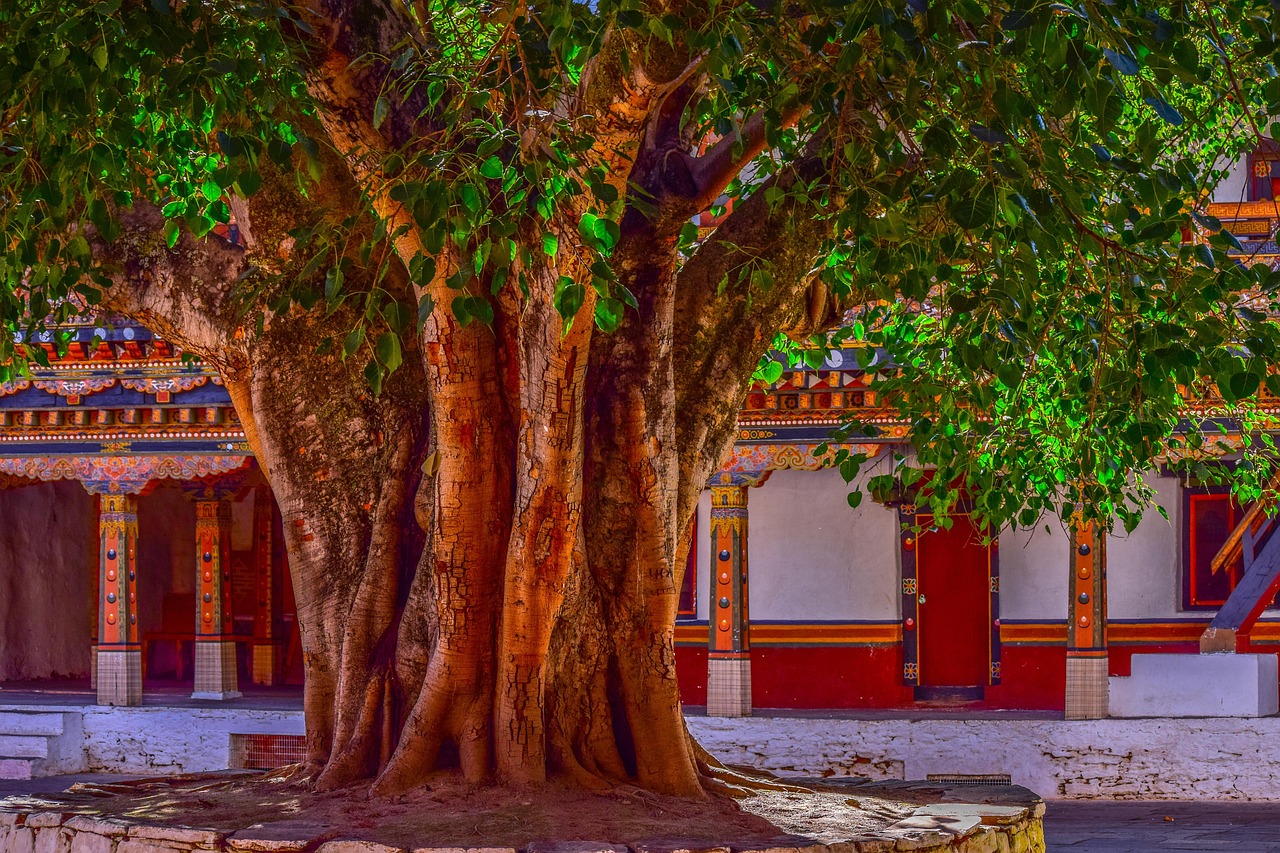
A banyan-canopied bayside village — cafe blocks and bookshops, the Barnacle's 1891 pioneer house, Dinner Key's marina forest, peacocks on the lanes — with the mainland's quietly best dinner tier.
Best Time
Saturday mornings for the farmers market; golden hour on the Barnacle's lawn; dinner reservations booked ahead — the Grove eats better than the beach now.
Duration
A half day, dinner-extended.
Tips
The Barnacle is the secret masterpiece — check tour days. City Hall is Pan Am's flying-boat terminal; the trivia is free. Charles Avenue's markers tell the Bahamian founding.
⚡ Quick Picks
Best For
Everyone's third Miami day — after the beach and the art, the Grove is the exhale.
Families
Peacock Park's bay-and-playground combo, feral peacocks, ice cream under the banyans.
Couples
The Barnacle's sunset lawn and the Commodore cluster's dinner — the mainland's gentlest evening.
Pair With
Vizcaya five minutes north; the Venetian Pool and Gables fifteen west — the elegant day builds itself.
Time Needed
One unhurried half day plus the dinner.
Ready to book The Grove?
Get Tickets →Frequently Asked Questions
Is it older than Miami?
By two decades — the 1870s-80s Bahamian-and-pioneer settlement predates the city's 1896 incorporation, and Charles Avenue's markers and the Barnacle preserve the founding texture.
What is the Barnacle?
Commodore Ralph Munroe's 1891 house in the bay's last original hammock — the county's oldest house on its foundations, toured gently, with the sunset-over-masts lawn as the Grove's secret masterpiece.
Are the peacocks real?
Feral, abundant, traffic-stopping, and entirely on brand — the residential lanes off Main Highway are the reliable hunt.
Why is City Hall at a marina?
It is Pan American's 1934 flying-boat terminal — the deco-nautical building served the clipper routes before becoming the city's seat. Dinner Key's masts surround it.
Is the dinner scene really that good?
Quietly the mainland's best — the Commodore-adjacent cluster books out weekends, and locals now fight for the tables the beach crowd has not found.
More Miami Attractions
Browse all →
Vizcaya Museum & Gardens
James Deering's 1916 Italian Renaissance villa on Biscayne Bay — Miami's most photogenic estate. Two hours of formal gardens, antique-filled rooms, and bay views.
Venetian Pool
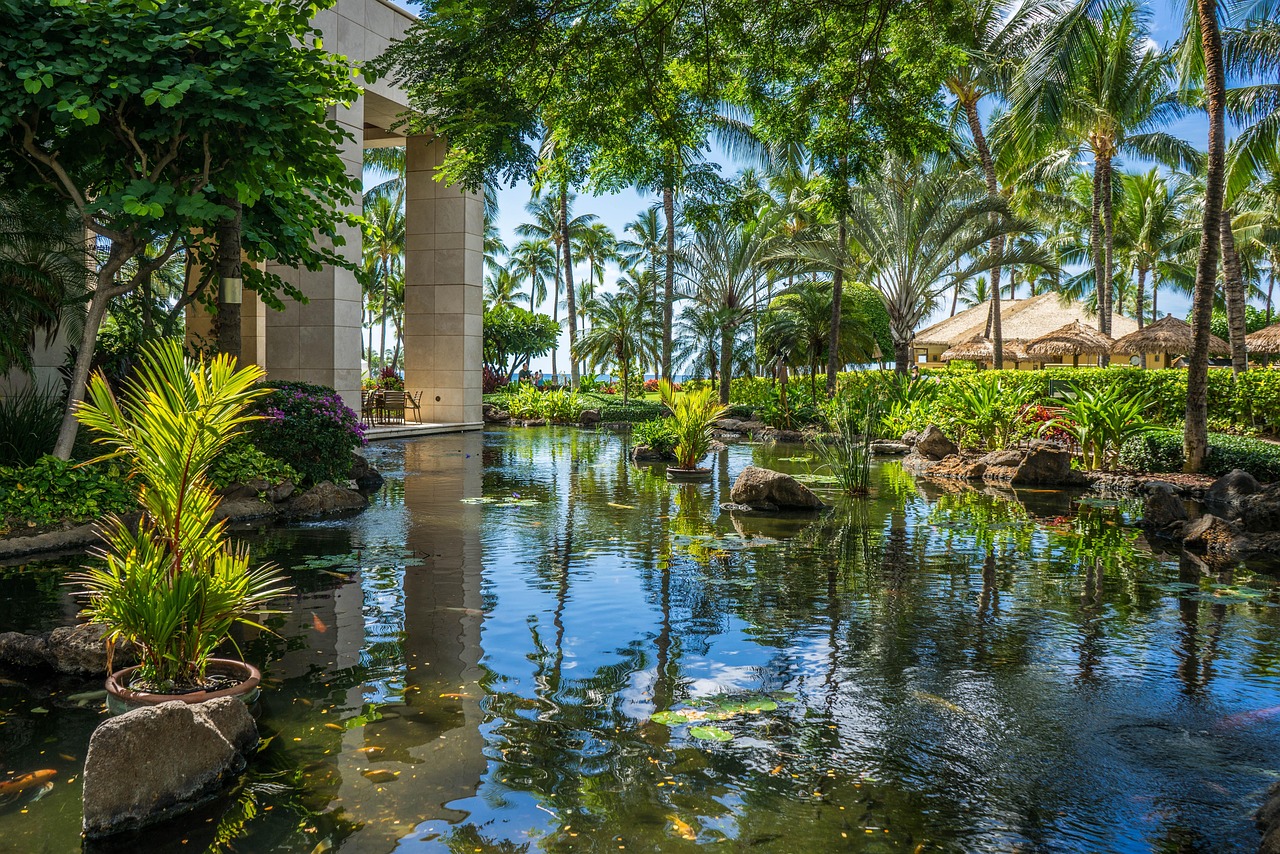
The most beautiful swimming pool in America — Coral Gables' 1924 quarry turned Venetian lagoon: 820,000 gallons of spring-fed water, coral caves and waterfalls, a palm-fringed bridge, and the historic towers over it all. Swim in a landmark.
Deering Estate
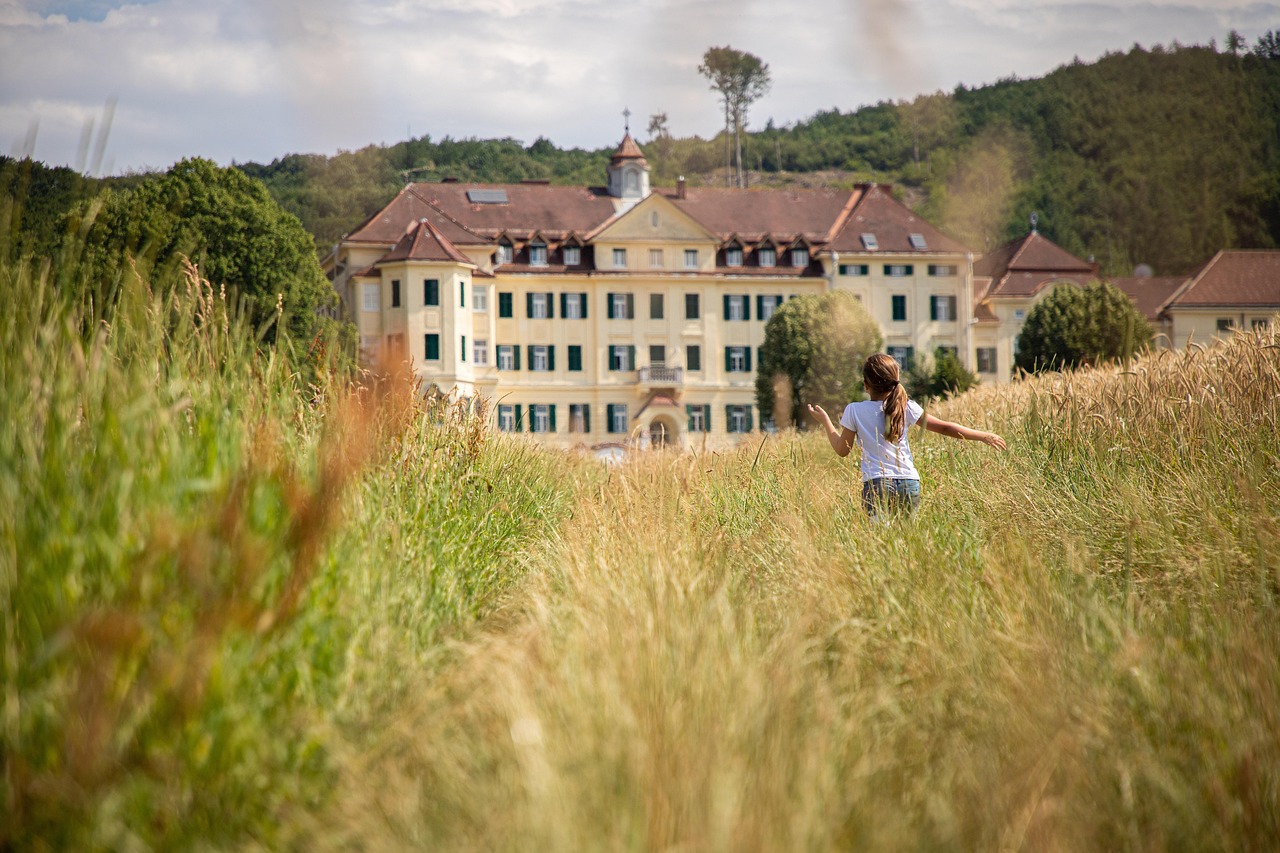
Vizcaya's wilder brother — Charles Deering's 1920s bayfront estate at Cutler: the Stone House's Mediterranean salons, Richmond Cottage's old Florida, 450 acres of hammock and fossil pits with people-bones-deep archaeology, and canoe trips to an island.